
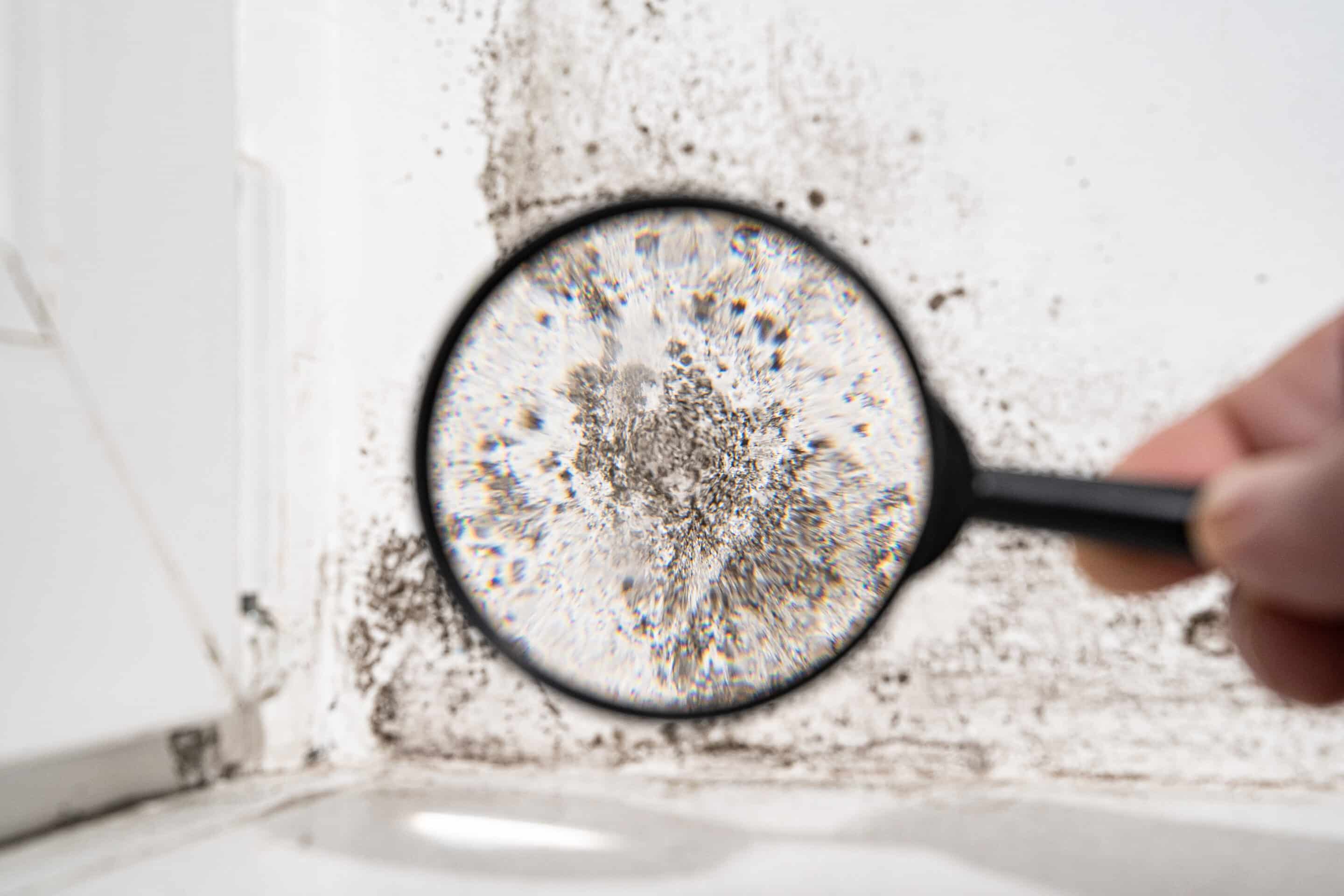
The Hidden Life of Mold: Where It Thrives and Why Homeowners Miss It
Most people think mold only shows up when something is obviously wet or damaged: A leaking pipe, flooded basement, or a stain spreading across the ceiling. Those situations are noticeable and easy to understand.
But mold’s real personality?
It prefers the quiet corners of your home.
It settles into the places you might forget to look at, building tiny footholds in still air, tucked-away humidity, and slow-moving moisture. Once you understand where mold likes to hide, you’re better equipped to keep your home healthy.
Let’s take a look at the rooms mold quietly calls home.
Attics: The Kingdom of Quiet Moisture
Warm air rises. Moisture travels with it. Before you know it, the attic becomes the meeting place, especially when ventilation is poor or insulation is outdated. That warm, damp air clings to the cold roof decking, creating condensation.
Mold grows here because:
- Exhaust fans dump humid air into the attic
- Bathroom moisture lingers
- Old insulation traps humidity
- A small roof leak goes unnoticed
Most homeowners almost never go into their attic. Mold knows that and takes full advantage.
Basements: Where Earth and Air Collide
Basements behave like their own ecosystems. They pull in moisture from the soil, concrete, appliances, and even forgotten storage. Even without standing water, high humidity settles on exposed wood, cardboard boxes, and porous surfaces.
Mold thrives when:
- The dehumidifier hasn’t been run in weeks
- A trickle of water sneaks in after rain
- There’s hidden moisture in walls or flooring
- Airflow is poor and limited
We see this all the time in Michigan homes: basements don’t need a dramatic flood to develop mold. A slightly damp environment is more than enough.
Crawlspaces: The Forgotten Underworld
If there’s one place where mold loves to hide, it’s the crawlspace. Crawlspaces are a mold paradise if they’re not properly sealed and ventilated. Cool earth, warm air, and exposed wood create a perfect mix.
Common reasons mold starts here:
- No vapor barrier
- Standing water pockets
- Vents that bring humid air inside
- Insulation touching cold surfaces
Most homeowners never crawl under their house, understandably. However, issues grow quietly in the dark.
Bathrooms: A Daily Steam Bath (Without the Spa Perks)
Bathrooms are meant to deal with moisture every day, but even small oversights invite mold to settle in.
It happens when:
- Exhaust fans are too weak
- Fans aren’t run long enough after showers
- Steam collects in corners or on ceilings
- Hidden plumbing leaks dampen materials
In bathrooms, mold grows like a shadow behind daily routines.
Around Windows: Where Cold Meets Warm
Condensation forms when outdoor cold and indoor warmth meet. When it forms on windows, it carries moisture to sills, trim, and even drywall near the frame.
If ignored, mold nestles in:
- Lower window corners
- Paint lines
- Behind curtains
- On sills that stay damp through winter
It’s subtle but common, especially in older Michigan homes, where windows aren’t well insulated.
Inside Wall Cavities: Mold’s Secret Rooms
When a small leak hides behind drywall, mold can grow for months before anyone notices. It only takes a slow drip behind a shower, sink, or exterior wall.
Subtle signs appear as:
- Musty odors
- Slight discoloration
- Peeling paint
- Warped or swollen trim
By the time something is visible, mold has usually been living there awhile.
Why Homeowners Miss It
Mold avoids the places we don’t see every day. It thrives on stillness, shadows, and slow moisture. Most homeowners miss it because they aren’t inspecting their attic, checking crawlspaces, pulling back insulation, or measuring humidity levels. Life is busy. Mold is patient.
The Good News
Once you understand where mold hides, you’re already a step ahead. With a proper inspection and a balanced approach to moisture control, these issues can be addressed early and without panic.
If you’ve noticed musty smells, humidity issues, or your home just feels off in certain spaces, we can help you make sense of it.
Demoldify brings clarity to the spaces your home keeps quiet, so you can breathe easier and protect your home with confidence.